
Epidemiology and Pathophysiology
Definition and nosological framework
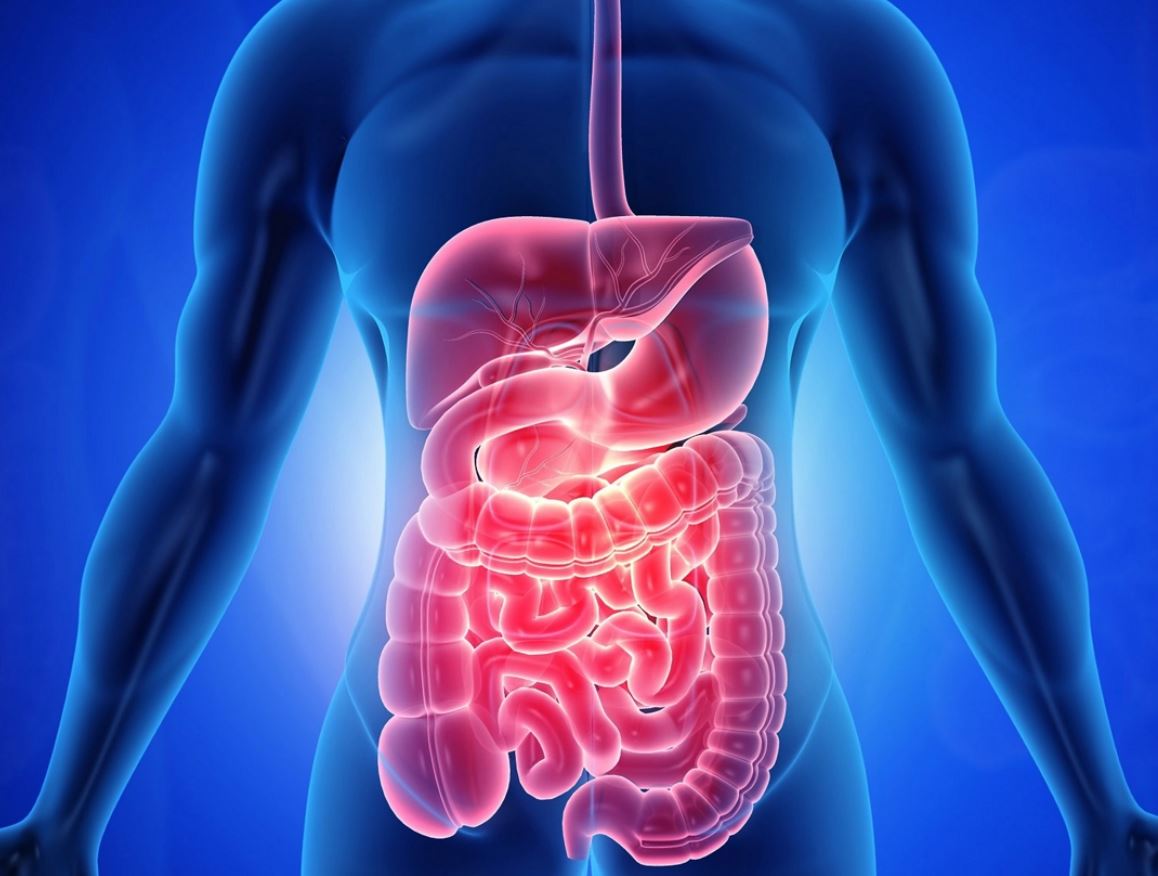
Crohn's disease (CD) is a chronic granulomatous inflammatory disease of the gastrointestinal tract, whose etiology remains partially understood. It belongs, together with ulcerative colitis (UC), to the group of inflammatory bowel diseases (IBD). Inflammation is transmural (affecting all parietal layers) and segmental (alternating healthy and diseased areas).
The immunological mechanisms involve T helper cell stimulation leading to massive secretion of pro-inflammatory cytokines: IL-1, IL-12 and above all TNF-α — the primary target of modern biological therapies.
Key epidemiological data
- Incidence: 4 to 6 new cases / 100,000 inhabitants / year (France)
- Prevalence: ~150,000 people in France; rising globally
- Two age peaks: 15–35 years and beyond 60 years
- Smoking: major well-documented aggravating factor
Prevalence of oral manifestations
- Adults: 8% to 14.2% oral manifestations
- Children: 50% to 80% in pediatric cohorts
- Oral signs precede intestinal symptoms: 5% to 30% of cases
- Possible interval before digestive symptoms: up to 9 years
Specific Oral Manifestations
Shared histological substrate
Specific lesions share the same non-caseating epithelioid and multinucleated giant cell granulomatous substrate as intestinal lesions. Diagnostic confirmation relies on mucosal biopsy revealing epithelioid granulomas. These lesions are pathognomonic of CD and their identification requires gastroenterological collaboration.
The four specific oral lesions — Clinical presentation
Mucosal edema traversed by deep fissures creating an irregular relief, primarily on the inner surface of the cheeks and in the vestibules.
Results from underlying granulomatous inflammation distending the connective tissue. The most iconic presentation of oral CD.
Deep ulcers located in the mucosal reflection folds (vestibular sulci), bordered by hyperplastic ridges (mucosal tags or pseudopolyps).
Particularly painful, they impair eating and compromise oral hygiene.
Persistent diffuse swelling of the lips (Miescher's granulomatous cheilitis) or cheeks. Firm swellings on palpation with vertical labial fissures.
Without known intestinal involvement: orofacial granulomatosis (OFG) framework — a significant proportion eventually progresses to systemic CD.
Erythematous, swollen, granular-appearing gingiva with hyperplasia of the attached gingiva extending to the mucogingival junction.
Fragile and bleeding tissues even in the absence of significant plaque accumulation — an important differential criterion.
Non-Specific Oral Manifestations
Reflecting systemic activity and nutritional deficiencies
Non-specific manifestations are generally more frequent than granulomatous lesions. They reflect the activity of intestinal disease and the consequences of ileal malabsorption. Their presence should systematically prompt a search for vitamin and mineral deficiencies.
Non-specific manifestations — Pathophysiological links
| Manifestation | Pathophysiological mechanism | Clinical signs |
|---|---|---|
| Recurrent aphthous stomatitis | Systemic inflammation / Iron deficiency | Painful round or oval ulcers, correlated with flares |
| Hunter's glossitis | Vitamin B12 / Folate deficiency | "Glazed" tongue, depapillated, oral burning |
| Angular cheilitis | B2, B6, B12 deficiency / Dry mouth | Fissures and erythema at the labial commissures |
| Gingival bleeding | Vitamin K deficiency | Spontaneous gingivorrhagia without excess plaque |
| Burning mouth syndrome | Zinc or Magnesium deficiency | Oral burning sensation without visible lesion |
Caries Risk and Xerostomia
Significantly elevated DMFT index
Crohn's disease patients present a significantly higher DMFT index than healthy controls (Brito et al.). This increased susceptibility results from a convergence of biological and behavioral factors specific to the disease.
Xerostomia — Multiple origins
- Direct involvement of salivary glands by granulomas
- Frequent drug-induced cause: antidepressants, immunosuppressants
- Chronic dehydration during diarrheal phases
- Consequence: reduced mechanical cleansing of tooth surfaces and impaired salivary buffering — prolonged enamel exposure to acid attacks
Cariogenic dietary behavior
- During active phases: preference for refined carbohydrates better tolerated intestinally
- Increased meal frequency to maintain body weight
- Enhanced proliferation of Streptococcus mutans and Lactobacilli
- Avoidance of fibrous foods in favor of simple sugars = ideal cariogenic environment
Hydrating sprays or gels, especially before bedtime. Xylitol gums or lozenges to stimulate natural saliva production after meals.
Standard fluoride toothpaste (1450 ppm) routinely. High caries risk: prescription 5000 ppm toothpaste. Custom fluoride trays for persistent hyposalivation.
Avoid sticky, sugary and acidic foods. Regular water intake in small amounts. Limit frequency of sugar exposures between meals.
Periodontitis and Implant Risks
Circulating TNF-α and IL-1β lower the tolerance threshold of periodontal tissues to dental plaque, accelerating attachment loss and alveolar bone resorption — independently of oral hygiene levels.
Chronic periodontitis, as a permanent inflammatory focus, sustains systemic inflammation and may influence CD activity. Early periodontal treatment = double benefit for patient outcomes.
Prerequisites for an implant project in a Crohn's patient
- Disease in documented stable remission — minimum 6 months
- Absence of systemic corticosteroids or at the minimum possible dose
- Complete prior periodontal debridement and excellent plaque control
- Coordination with the gastroenterologist regarding biologic therapy windows
- Full informed consent regarding the residual elevated risk of osseointegration failure
Impact of Systemic Treatments
Corticosteroids — Specific risks
- Suppression of the hypothalamic-pituitary-adrenal axis — adrenal insufficiency risk during any stressful dental procedure
- Delayed tissue healing
- Increased susceptibility to opportunistic infections (oral candidiasis)
- Risk of osteoporosis and osteonecrosis of the jaw (rare, less frequent than with bisphosphonates)
NSAIDs and Aspirin — Contraindicated
- COX-1 inhibition → disrupts protective prostaglandins of the digestive mucosa
- Arachidonic acid shunted to 5-lipoxygenase pathway → pro-inflammatory leukotrienes
- Can trigger or aggravate an intestinal inflammatory flare
- Reference analgesic: Paracetamol. Alternative: Tramadol or Codeine with monitoring
Biological therapies — Therapeutic windows before invasive surgery
| Class | Drug | Recommended stop interval | Postoperative resumption |
|---|---|---|---|
| Anti-TNF | Infliximab / Adalimumab | 4 weeks | After complete healing |
| Anti-integrin | Vedolizumab | 2 to 4 weeks | 14 days postoperatively minimum |
| Anti-interleukin | Ustekinumab | 4 weeks | After mucosal healing |
| Anti-JAK | Filgotinib | 2 days | Rapid resumption possible |
Oral surgery should ideally be performed at the end of the dosing interval, when serum concentration is at its lowest. Shared decision-making with the referring gastroenterologist is required.
Dental Antibiotics and CDI Risk
CDI risk stratification by antibiotic class
| Antibiotic | CDI Risk | Use in Crohn's patients |
|---|---|---|
| Clindamycin | Very high | Formally prohibited — even in penicillin allergy |
| Cephalosporins | High | Avoid systematically |
| Fluoroquinolones | High | Avoid systematically |
| Amoxicillin / Augmentin | Moderate | Use with caution when necessary |
| Metronidazole | Very low | Drug of choice for anaerobic odontogenic infections |
| Azithromycin / Clarithromycin | Low | Preferred alternative in penicillin allergy |
Chairside Management
Systematic medical history — 5 points to evaluate
- Current disease phase: remission or active flare?
- Intestinal surgical history: strictures, fistulas, resections
- Complete medication list: corticosteroids, immunosuppressants, biologics
- Extra-intestinal manifestations: joint, ocular, cutaneous involvement
- Perianal complications or frequent diarrhea (restroom access needed)
Non-invasive conservative care, symptomatic treatment of mucosal lesions (topical anesthetics, topical corticosteroids), light supragingival scaling.
All oral surgery, non-urgent extractions, invasive periodontal treatment, implant placement. Defer until documented remission is achieved.
Short appointments to limit patient fatigue. Semi-reclined position if associated GERD or joint pain. Restroom access if needed.
Vasoconstrictors generally permitted. If sulfite sensitivity suspected in severe corticosteroid therapy: plain mepivacaine without vasoconstrictor.
Optimal asepsis. Atraumatic suture technique. Avoid non-resorbable membranes in high-risk patients. Antibiotic prophylaxis if severe immunosuppression confirmed.
Topical treatment of painful mucosal lesions
Viscous Lidocaine
Triamcinolone / Clobetasol
Topical Tacrolimus
Paracetamol (Acetaminophen)
Pediatric Considerations
Pediatric CD — Often more severe and extensive
In children and adolescents, Crohn's disease directly interferes with growth and maturation processes. Chronic inflammation and nutritional deficiencies induce growth retardation in 10% to 40% of pediatric cases, with a negative correlation between growth velocity and inflammatory markers (CRP, orosomucoid).
Impact on craniofacial development
- Reduction in posterior facial height and cranial base length
- Shortening of the mandibular body and ramus height
- Significant delay in permanent tooth eruption (first molars and incisors ++)
- Osteopenia and increased risk of enamel hypoplasia
Implications for the clinician
- Pubertal delay impacting orthodontic treatment planning
- Residual growth potential is unpredictable — dependent on systemic disease control
- Elevated caries risk linked to nutritional deficiencies and dietary changes
- Oral manifestations often precede intestinal diagnosis in children
Prevention and Multidisciplinary Care
Pre-therapeutic dental clearance — Before any biologic or heavy immunosuppressive therapy
Complete dental assessment is mandatory before initiating immunosuppressive treatment.
- Systematic panoramic radiograph (OPT) + supplementary views as needed
- Comprehensive periodontal probing and plaque index
- Teeth with no conservative solution → extraction
- Cysts and periapical lesions → endodontic treatment or extraction
- Active periodontitis → complete debridement before immunosuppression
- Clinical reassessment at 4–6 weeks to validate complete healing
- Dental health certificate transmitted to the gastroenterologist
Dental recall frequency
- Professional prophylactic cleaning at each visit
- Monitoring for new mucosal lesions signaling a disease flare
- Adaptation of hygiene and fluoride advice according to disease evolution
- Annual radiographic monitoring (bite-wing) for proximal caries detection
Multidisciplinary communication
- Gastroenterologist: coordination of biologic therapy windows
- Pediatrician (children): monitoring of growth and pubertal delay
- Rheumatologist: if joint involvement affects patient positioning
- General practitioner: corticosteroid management and systemic risks
Clinical FAQ
References
Oral manifestations of Crohn's disease
-
1Katz J, Shenkman Z, Stavropoulos F, et al. Oral manifestations of Crohn's disease: a systematic review. PMC / J Oral Pathol Med. 2023.
pmc.ncbi.nlm.nih.gov — Oral manifestations of Crohn's: systematic review -
2Review Fatahzadeh M. Oral manifestations of inflammatory bowel disease: two case reports. Clin Med Res. 2017.
clinmedres.org — Oral manifestations of IBD: case reports -
3Review Lankarani KB, Sivandzadeh GR, Hassanpour S. Oral manifestations in inflammatory bowel disease. Swiss Dental Journal SSO. 2013.
swissdentaljournal.org — Oral manifestations in IBD -
4Clinical study Kissen LJ, Rubin E, van der Woude CJ. P451 Specific oral manifestations in patients with Crohn's disease. Oxford Academic / J Crohns Colitis. 2022.
academic.oup.com — Specific oral manifestations in Crohn's disease -
5Review Losurdo G, et al. Oral manifestations as the first presenting sign of Crohn's disease in a pediatric patient. PMC. 2020.
pmc.ncbi.nlm.nih.gov — Oral manifestations as first sign in pediatric CD -
6Review Vavricka SR, Schoepfer A, Scharl M, et al. Oral manifestations of inflammatory bowel disease: a guide to diagnosis and management. Frontline Gastroenterol BMJ. 2020.
fg.bmj.com — Guide to oral manifestations of IBD -
7Review Oral Crohn's disease without intestinal manifestations. PMC / J Crohns Colitis. 2020.
pmc.ncbi.nlm.nih.gov — Oral CD without intestinal manifestations
Periodontitis, implantology and CDI risk
-
8Review Crohn's disease and periodontal manifestations: a review of current evidence. Fortune Journals. 2023.
fortunejournals.com — Crohn's disease and periodontal manifestations -
9Clinical study Gomes C, et al. Association of periodontal disease with activity of Crohn's disease. PMC / J Crohns Colitis. 2021.
pmc.ncbi.nlm.nih.gov — Association of periodontitis with CD activity -
10Narrative review Chomyszyn-Gajewska M, et al. Patient with inflammatory bowel disease in a dental office — which antibiotic to choose? PMC / Antibiotics. 2022.
pmc.ncbi.nlm.nih.gov — Antibiotic choice in IBD patients -
11Epidemiological study Gisbert JP, et al. Patients with Clostridioides difficile infection following dental antibiotic prescription. PMC / Open Forum Infect Dis. 2023.
pmc.ncbi.nlm.nih.gov — CDI following dental antibiotic prescription -
12Guideline NICE. Clostridium difficile infection: risk with broad-spectrum antibiotics. National Institute for Health and Care Excellence. 2015.
nice.org.uk — CDI risk with broad-spectrum antibiotics
Biological therapies, corticosteroids and surgical management
-
13Guideline NNUH NHS. Joint guidelines for the management of interruption of biologic therapies for elective surgery. 2022.
nnuh.nhs.uk — Biologic therapy interruption for surgery -
14Review Daubländer M, et al. Application of corticosteroids in dentistry: a review. PMC / Clin Oral Investig. 2020.
pmc.ncbi.nlm.nih.gov — Application of corticosteroids in dentistry -
15Review Becker DE, Reed KL. Selection of the safest local anesthetic for dental treatment in medically compromised patients. PMC / Anesth Prog. 2021.
pmc.ncbi.nlm.nih.gov — Local anesthetics in medically compromised patients -
16Guideline HAS. Dental management of patients at high risk of infective endocarditis. Haute Autorité de Santé. 2011.
has-sante.fr — Dental management and infective endocarditis
Pediatric CD, growth and dental development
-
17Review Pigneur B, Seksik P, Viola S, et al. Crohn's disease in children. FMC-HGE. 2019.
fmcgastro.org — Crohn's disease in children -
18Clinical study Dental eruption patterns and their relationship to systemic health conditions in children. IJCMPH. 2023.
ijcmph.com — Dental eruption patterns and systemic conditions -
19MDPI study Variability in permanent teeth eruption in children with growth hormone deficiency and idiopathic short stature. MDPI. 2024.
mdpi.com — Teeth eruption in children with GH deficiency
Caries prevention, xerostomia and guidelines
-
20Guideline HAS. Dental caries prevention strategies — Evaluation report. Haute Autorité de Santé. 2010.
has-sante.fr — Caries prevention strategies -
21Register study Eriksson C, et al. Consumption of dental treatment in patients with inflammatory bowel disease, a register study. PMC / BMC Oral Health. 2022.
pmc.ncbi.nlm.nih.gov — Dental treatment in IBD patients: register study -
22Review IBD and periodontal disease — analysis of the bidirectional relationship. Oral-B Professional.
oralbprofessional.fr — IBD and periodontal disease -
23Thesis Crohn's disease: the need for multidisciplinary collaboration in dentistry. Université de Lille.
pepite-depot.univ-lille.fr — CD and multidisciplinary dental collaboration