The polymedicated geriatric patient in the dental office — identifying at-risk interactions, xerostomia as the first warning sign, and adapting prescribing to age-altered pharmacokinetics.
Defining Polypharmacy and Its Risks
A simple definition, a major issue
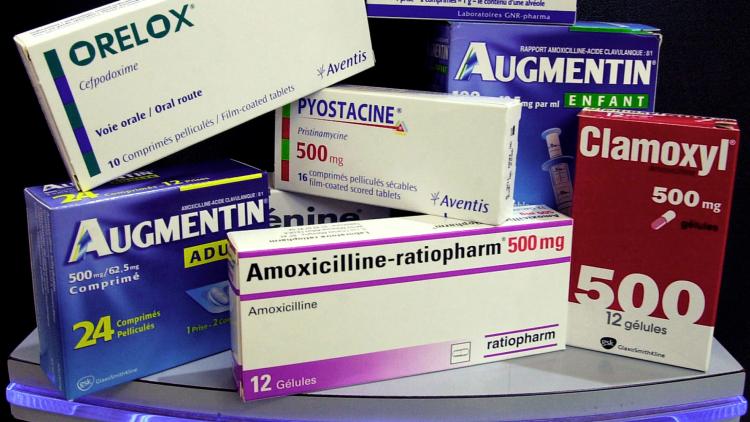
The WHO defines polypharmacy as the simultaneous administration of numerous medications, or the administration of an excessive number of medications — a threshold generally set at 5 or more molecules taken at the same time. This situation affects a significant proportion of people over 65, with prevalence increasing alongside age and the number of chronic conditions.
Polypharmacy is also driven by the phenomenon of "prescribing cascades" — a medication prescribed to treat the side effect of a previous treatment, without an overall reassessment of the prescription — and by the multiplicity of prescribers, each sometimes unaware of the others' prescriptions.
Iatrogenic events account for 5 to 10% of hospitalizations in patients over 65 — a large share of which is preventable. The increase in the number of medications is directly correlated with an increase in potentially inappropriate prescriptions and the risk of drug interactions.
Age-Altered Pharmacokinetics
Physiological aging changes the way the body handles medications, independent of any associated pathology. These changes explain why a standard prescription for a young adult can be unsuitable, or even dangerous, for an elderly patient.
Renal function and hepatic metabolism progressively decline with age, even in the absence of an identified pathology, prolonging the half-life of many drugs and increasing the risk of accumulation.
Decreased lean mass and relatively increased fat mass, altering the volume of distribution of lipophilic drugs — potentially prolonging their effect.
Increased pharmacodynamic sensitivity for numerous classes — sedatives, anticholinergics, antihypertensives — at a plasma concentration equivalent to that of a young adult.
Start at the lowest possible dose, particularly for drugs with a narrow therapeutic index — an initial dose of one-third to one-half of the usual adult dose is often recommended for frail patients over 75.
Xerostomia: The First Clinical Signal of Polypharmacy
Drug-induced xerostomia is the first adverse effect of polypharmacy observable in the oral cavity. Its presence, particularly when it develops or progressively worsens, should alert the practitioner to possible underlying polypharmacy — and can be an opportunity for a useful dialogue with the treating physician about the appropriateness of the entire prescription.
Dry mouth affects about 30% of people aged 65 and over, and this frequency is very largely attributable to the medications consumed rather than to physiological aging itself. The most common mechanism is anticholinergic: numerous therapeutic classes interfere with the nerve receptors of the salivary glands, reducing secretion.
| Xerogenic drug class | Examples | Mechanism |
|---|---|---|
| Antidepressants (mainly tricyclics, but also SSRIs) | Amitriptyline, paroxetine | Anticholinergic effect |
| Urinary anticholinergics | Oxybutynin, solifenacin (incontinence) | Direct blockade of salivary muscarinic receptors |
| Antiparkinsonian agents | Trihexyphenidyl | Potent anticholinergic effect |
| First-generation antihistamines | Hydroxyzine | Anticholinergic effect |
| Diuretics | Furosemide, hydrochlorothiazide | Relative general dehydration |
| Antihypertensives | Certain ACE inhibitors, beta-blockers | Variable mechanism, less consistent |
| Benzodiazepines and opioids | Various molecules | Associated central sedative effect |
Managing Xerostomia in the Office
A practical approach in-office
Measures accessible to the dental surgeon, in addition to a possible prescription review by the treating physician.
At-Risk Interactions with Common Dental Prescriptions
| Dental prescription | Elderly patient's concurrent treatment | Risk |
|---|---|---|
| NSAIDs | VKAs, DOACs, antiplatelets, ACE inhibitor + diuretic | Bleeding, acute kidney injury — see NSAID article |
| Amoxicillin | Methotrexate | Reduced renal clearance of methotrexate — potential toxicity |
| Metronidazole | VKAs | Potentiation of anticoagulant effect — see VKA article |
| Macrolides (azithromycin, clarithromycin) | Statins | Risk of rhabdomyolysis via inhibition of statin metabolism |
| Tramadol | SSRI/SNRI antidepressants | Serotonin syndrome, reduced efficacy — see opioids article |
| Epinephrine-containing local anesthetics | Non-selective beta-blockers | Blood pressure elevation — see vasoconstrictors article |
| Azole antifungals (fluconazole) | Anticoagulants, statins, benzodiazepines | Multiple interactions via CYP450 inhibition |
The Beers Criteria — Drugs to Use with Caution
The Beers Criteria, published and regularly updated by the American Geriatrics Society (most recently in 2023), identify potentially inappropriate medications for older adults — a useful reference for the prescribing dental surgeon, particularly for molecules used routinely.
Anticholinergics (hydroxyzine in particular)
- Increased risk of confusion, falls, and urinary retention in elderly patients
- Preferred alternative for dental anxiolytic premedication: assess the actual benefit before routine prescribing (see conscious sedation article)
Benzodiazepines
- Significantly increased risk of falls and fractures in elderly patients
- Slowed elimination — prolonged residual effect compared to young adults
- Particular caution for any sedative dental premedication in this patient
Long-term NSAIDs
- Heightened gastrointestinal and renal toxicity in elderly patients, particularly in combination with other nephrotoxic treatments
- Confirms the need to limit prescription duration (see NSAID article)
Prescribing Principles in the Elderly
Practical rules for geriatric dental prescribing
Applicable to any prescription — analgesic, antibiotic, sedative — in patients over 75 or frail patients.
A Structured Medication History
Simply asking "are you taking any medications?" — a question that is too vague, to which the elderly patient often responds incompletely, omitting treatments perceived as minor (supplements, old treatments, self-medication).
Explicitly ask the patient to bring their prescription or full pillbox to the consultation. Ask specifically about anticoagulants, antiplatelets, corticosteroids, psychiatric treatments, supplements, and self-medication — each category separately rather than one blanket question.
Coordination with Other Prescribers
The dental surgeon, as a full-fledged prescriber, participates in the medication safety chain for the polymedicated elderly patient. This responsibility includes vigilance in pharmacovigilance and coordination with other healthcare professionals involved.
Report any adverse effect suspected of being drug-related, including those prescribed by other practitioners. Inform the treating physician of any new dental prescription likely to interact with the baseline treatment. Do not hesitate to seek an opinion before an at-risk prescription in a patient whose overall prescription is not fully known.
Algerian Context
Specificities of the elderly Algerian patient population
The growing prevalence of chronic diseases (diabetes, hypertension, cardiac conditions) among the elderly Algerian population is accompanied by polypharmacy just as common as elsewhere. The frequent absence of a shared medical record between different prescribers (treating physician, cardiologist, endocrinologist, dental surgeon) makes a structured medication history all the more essential — the dental surgeon often cannot rely on a centralized record to know the patient's full treatment regimen.
Access to a health record and treatment list
Encourage the elderly patient or their caregiver to keep an up-to-date list of all treatments taken, in simple paper form if necessary, to be systematically presented at every medical or dental consultation — a simple practice that considerably improves the safety of care in the absence of a widespread shared digital record.
FAQ — Common Clinical Questions
References
1. The 2023 American Geriatrics Society Beers Criteria® Update Expert Panel. American Geriatrics Society 2023 updated AGS Beers Criteria® for potentially inappropriate medication use in older adults. J Am Geriatr Soc. 2023;71(7):2052-2081. 2023
2. MSD Manuals — Professional Edition. Drug-related problems in older adults — geriatric pharmacokinetics. reference
3. Bedel C. Polypharmacy in older adults: definition, issues, and management in oral medicine. Doctoral thesis in dental surgery. Université Paris Cité. thesis
4. OMéDIT Centre-Val de Loire. Geriatrics — geriatric therapeutic handbook, iatrogenesis and falls in the elderly. 2023. 2023
5. Synapse Medicine. Addressing the challenges of drug prescribing in the elderly — French epidemiological data on polypharmacy. summary
6. Revue Médicale Suisse. Polypharmacy and the elderly. 2024. 2024
7. MSD Manuals — Professional Edition. Xerostomia — drug causes, management, caries risk. reference
8. Madinier I, et al. Drug-induced hyposalivation. Ann Med Interne. 1997. historical reference
9. Cumulative Anticholinergic Burden Score — tool for assessing cumulative xerostomic risk in the polymedicated patient. reference
10. Prevalence of polypharmacy and drug interactions in geriatric patients — cross-sectional study, definitions and prevalence. 2023-2024. 2024
11. Université de Lorraine. Polypharmacy in the elderly: study of characteristics and determinants — French data on hospital iatrogenesis. study
12. Public medicines database. Various SmPCs — drug interactions, geriatric adjustments. reference
13. FDI World Dental Federation. Oral Health for Older People — general recommendations for geriatric oral health care. reference