
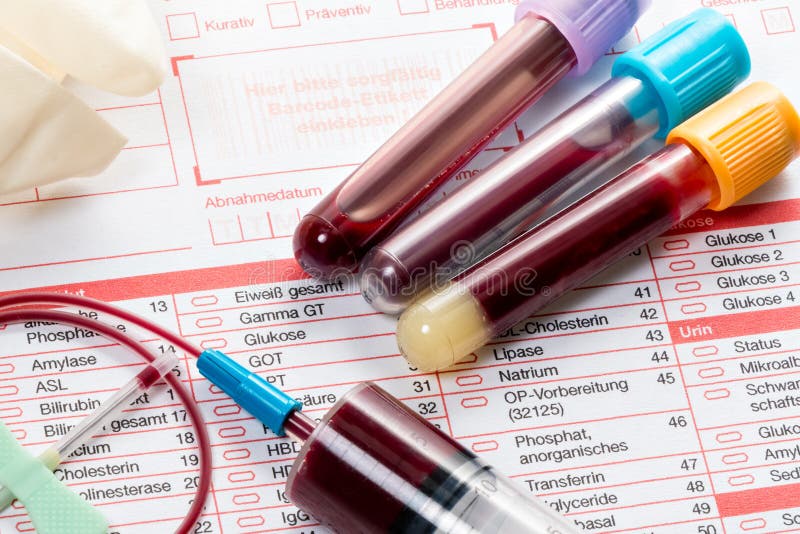
FBC — Red Cell Line and Anaemia Management
The full blood count (FBC) — a cornerstone of clinical decision-making
The FBC provides a panoramic view of the three cell lineages — erythrocytes, leucocytes and platelets — supplying crucial indices on oxygen-carrying capacity, immune defence status and primary haemostatic integrity.
Anaemia is biologically defined by a haemoglobin below 13 g/dL in men and 12 g/dL in women. Inadequate tissue oxygenation in peri-implant or post-extraction sites predisposes to necrotic complications and secondary infection.
Erythrocyte parameters — Normal values and dental implications
| Parameter | Normal values (adult) | Dental implications |
|---|---|---|
| Haemoglobin (Hb) | M: 13–17 g/dL · F: 12–16 g/dL | Risk of defective healing if < 10 g/dL |
| Haematocrit (Hct) | M: 40–52% · F: 37–47% | Reflects blood viscosity and O₂ transport capacity |
| MCV | 80–100 fL | Microcytosis (iron deficiency) or Macrocytosis (B₁₂ deficiency) |
| Reticulocytes | 25,000–100,000/mm³ | Bone marrow capacity to respond to blood loss |
Microcytosis (MCV < 80 fL)
- Oral signs: atrophic glossitis, angular cheilitis
- Pallor of oral mucous membranes
- Risk of delayed healing after extraction
- Investigate underlying cause: occult bleeding, malabsorption
Macrocytosis (MCV > 100 fL)
- Hunter's glossitis (smooth, red, painful tongue)
- Recurrent aphthous ulcerations
- Alert to possible associated haemostatic disorders
- In chronic alcoholism: elevated risk of concurrent hepatic impairment
FBC — White Cell Line and Infectious Vigilance
Leucocytes — sentinels of oral immunity
Leucocytes play a fundamental protective role against endodontic and periodontal infections. Their normal count ranges between 4,000 and 10,000/mm³. Leucocytosis (> 11,000/mm³) is frequently reactive to an acute bacterial infection (perimaxillary cellulitis, periodontal abscess). Neutrophilia (> 7,500/mm³) generally confirms a bacterial origin.
Neutropenia decision thresholds for oral surgery
| Category | Neutrophils/mm³ | Management approach |
|---|---|---|
| Normal | 1,500 – 7,500 | Oral surgery according to standard protocols |
| Mild neutropenia | 1,000 – 1,500 | Heightened vigilance — strict oral hygiene |
| Moderate neutropenia | 500 – 1,000 | Antibiotic prophylaxis usually required for any invasive procedure |
| Agranulocytosis | < 500 | Formal contraindication to outpatient care — multidisciplinary hospital setting required |
FBC — Platelets and Primary Haemostasis
Platelets — normal value: 150,000 to 400,000/mm³
Thrombocytopenia is the most frequent cause of prolonged bleeding or unexplained gingival haemorrhage in the dental practice. Clinical management follows precise decision thresholds.
Oral surgery may be carried out according to standard protocols.
No enhanced haemostatic measures beyond the routine protocol required.
Procedure feasible in a dental office but requiring enhanced local haemostasis: compressive sutures, biological glues, absorbable haemostatic sponges.
Prolonged compression for at least 10 minutes.
Critical risk of spontaneous or provoked haemorrhage. Hospital setting mandatory, usually after platelet concentrate transfusion 30 minutes before the procedure.
Can paradoxically cause bleeding (clotting factor consumption) or increase thromboembolic risk.
Haematology consultation before any procedure.
Coagulation Screen — INR, APTT, DOACs and Antiplatelets
INR and patients on vitamin K antagonists (VKAs)
The PT (70–130% normal) assesses the extrinsic coagulation pathway. For patients on warfarin or acenocoumarol, the INR is the universal monitoring tool. Management has radically changed: it is now formally recommended to not discontinue treatment for low or moderate haemorrhagic risk procedures.
The procedure is safe if the INR, measured within the 24 hours preceding the procedure, is stable and below 4. Maintain the VKA + reinforced local haemostasis.
INR > 4 signals overdosage. Defer the procedure and inform the prescribing physician for dose correction. Never autonomously discontinue a VKA.
Summary table — Safety thresholds for oral surgery
| Biological test | Normal value | Safety threshold for oral surgery |
|---|---|---|
| INR (under VKA) | 2.0 – 3.0 (therapeutic) | < 4 (stability required) |
| Platelets | 150 – 400 G/L | > 50 G/L (local haemostasis) |
| PT | > 70% | > 30% (specialist setting if < 30%) |
| APTT (ratio) | < 1.2 | Prolongation > 10 s = major caution |
| Fibrinogen | 2 – 4 g/L | > 1 g/L to ensure clot formation |
Direct oral anticoagulants (DOACs)
- Do not reliably or predictably alter PT or APTT
- Specific anti-Xa assays not recommended routinely for minor oral surgery
- Strategy: maintain therapy + schedule the procedure at trough plasma concentration (just before the next dose)
Antiplatelet agents (APAs)
- Bleeding time (BT) is no longer a reliable predictive test — do not prescribe routinely
- Single-agent therapy must be maintained for conventional oral surgery
- Dual antiplatelet therapy (Aspirin + Clopidogrel after stenting): cardiologist opinion mandatory
HbA1c and Diabetes — Dental Implications
The bidirectional diabetes-periodontitis relationship — established scientific fact
Glycaemic imbalance impairs immune response and collagen synthesis, aggravating periodontal destruction. Conversely, chronic periodontal inflammation perpetuates insulin resistance. HbA1c — reflecting glycaemic balance over the preceding 120 days — is the reference marker for therapeutic decision-making.
Decision table — HbA1c and surgical management
| HbA1c | Glycaemic status | Dental management approach |
|---|---|---|
| < 7% | Well-controlled diabetes | Care without systematic antibiotic prophylaxis — risk comparable to healthy subject |
| 7 – 8% | Precarious control | Heightened vigilance — intensive oral hygiene motivation and optimal plaque control |
| 8 – 10% | Moderate imbalance | Antibiotic prophylaxis recommended (Amoxicillin 2 g 1 h before) for invasive procedures |
| > 10% | Severe imbalance | Defer non-urgent invasive procedures — prior metabolic improvement mandatory |
Renal Function — eGFR and Prescribing Adaptations
Estimated glomerular filtration rate (eGFR) — the reference indicator
Serum creatinine alone is not a reliable indicator (influenced by age, sex and muscle mass). eGFR estimation via the MDRD or CKD-EPI formula is now the indispensable standard for adapting dental prescriptions.
Chronic kidney disease stages and therapeutic approach
| CKD stage | eGFR (mL/min/1.73 m²) | Therapeutic approach |
|---|---|---|
| Normal | > 90 | Standard prescribing |
| Mild impairment | 60 – 89 | Monitoring — avoid prolonged NSAID courses |
| Moderate impairment | 30 – 59 | Amoxicillin dose adjustment — NSAIDs formally contraindicated |
| Severe impairment | 15 – 29 | Strict dose adaptation — medical advice mandatory |
| End-stage renal disease | < 15 | Dialysis — specific post-dialysis prescribing protocols |
Amoxicillin dose adjustment according to eGFR
When eGFR is between 10 and 50 mL/min: the dose must be reduced or the dosing interval extended (1 g every 12 hours instead of every 8 hours). Below 10 mL/min: nephrology consultation before any prescription.
Hepatic Function — Drug Metabolism
Liver function panel — ALT, AST, GGT, Bilirubin
- Elevated transaminases (cytolysis) → caution with high first-pass hepatic drugs
- Elevated GGT in alcoholism → alert to associated coagulopathy risk (low PT)
- Elevated bilirubin → significant hepatitis or cholestasis
- Elevated ALP → cholestasis or bone pathology
Paracetamol and hepatotoxicity
- Limit to 2 g/day maximum in cirrhotic or malnourished patients (glutathione stores depleted)
- The toxic metabolite NAPQI accumulates and causes hepatic necrosis even at therapeutic doses
- Metronidazole and some macrolides: monitoring or adjustment required in severe hepatic impairment
- NSAIDs: use with extreme caution or avoid in decompensated cirrhosis
CRP and ESR — Orofacial Infection Biomarkers
C-reactive protein (CRP) — the gold standard for monitoring odontogenic infections
CRP is an acute-phase protein with rapid kinetics: it rises 4 to 6 hours after infection onset (half-life: 5–7 hours). It is the ideal tool for monitoring therapeutic efficacy in orofacial infections of dental origin.
CRP > 50–100 mg/L is strongly correlated with spread of infection to the fascial spaces and predicts a risk of prolonged hospitalisation.
Rapid decline after surgical drainage and antibiotherapy confirms efficacy.
Absent drop at Day 2–3 post-op: suspect bacterial resistance or undrained focus.
Never dismiss. May reveal a serious underlying pathology: multiple myeloma, giant cell arteritis (Horton), active neoplasia.
Refer for further investigation.
Combined inflammatory indices (CRP + neutrophil-to-lymphocyte ratio) open prospects for high-precision predictive oral medicine.
HAS 2024 — Infective Endocarditis and Pre-Implant Workup
Infective endocarditis — 40% 5-year mortality, ~20% of oral origin
IE remains a gravely serious disease. The HAS 2024 recommendations have simplified the classification of at-risk patients and broadened the therapeutic options previously contraindicated (root canal treatment, implantology under conditions).
High-risk patients — Antibiotic prophylaxis mandatory
- Antibiotic prophylaxis (AP) mandatory for any invasive procedure inducing bacteraemia
- Protocol: Amoxicillin 2 g PO 30–60 minutes before the procedure
- Immediate penicillin allergy: Azithromycin 500 mg or Clarithromycin
- Emphasis on the "non-pharmacological component": impeccable oral hygiene + systematic eradication of infectious foci before valve surgery
Pre-implant biological workup — HAS 2024
- HbA1c less than 3 months old for any diabetic patient
- Renal function workup in polymedicated or elderly patients
- Verified absence of infectious foci via clinical examination + OPG
- Complete ASA classification before any complex rehabilitation plan
Specific Contexts — HIV and Chemotherapy
HIV and immunosuppression — Surgical planning
- CD4 > 500/mm³: conventional management feasible
- CD4 200–500/mm³: heightened vigilance, antibiotic prophylaxis to be discussed
- CD4 < 200/mm³ (AIDS stage): systematic antibiotic prophylaxis + close platelet monitoring (thrombocytopenia frequent)
- Undetectable viral load on ARV therapy = marker of good treatment adherence
Chemotherapy — Dental management by FBC status
- Comprehensive dental assessment mandatory before cervicofacial radiotherapy (prevents osteoradionecrosis)
- Invasive procedures to avoid during nadir (maximal leucocyte and platelet drop, Days 7–14)
- Verify FBC before each scheduled procedure during treatment
- Systematic coordination with the oncology team
Clinical FAQ
References
Clinical guidelines and recommendations
-
1HAS 2024 Haute Autorité de Santé (HAS). Oral and dental management of patients at high risk of infective endocarditis 2024 — updated recommendations.
has-sante.fr — Infective endocarditis 2024 -
2SFCO French Society of Oral Surgery (SFCO). Recommendations for the management of patients on vitamin K antagonist therapy in oral surgery.
societechirorale.com — VKA patients in oral surgery -
3HAS HAS. Implant-prosthetic management of edentulism — preoperative biological workup.
has-sante.fr — Implantology and biological workup -
4SFCO SFCO / HAS. Perioperative management of patients on antithrombotic therapy in oral surgery.
societechirorale.com — Antithrombotics in oral surgery
Diabetes, periodontology and implantology
-
5Study Preoperative HbA1c and Blood Glucose Measurements in Diabetes Mellitus before Oral Surgery and Implantology Treatments. MDPI / PMC.
pmc.ncbi.nlm.nih.gov — HbA1c and oral surgery -
6Review Interrelationships between periodontal treatment and chronic conditions. UFSBD.
ufsbd.fr — Periodontitis and systemic disease
CRP and orofacial infections
-
7Efficacy of serum CRP levels as monitoring tools for patients with fascial space infections of odontogenic origin. PMC.
pmc.ncbi.nlm.nih.gov — CRP and odontogenic fascial infections -
8Review The Role of C-Reactive Protein and Neutrophil to Lymphocyte Ratio in Predicting the Severity of Odontogenic Infections. PMC / ResearchGate.
pmc.ncbi.nlm.nih.gov — CRP-NLR and odontogenic infections
Renal and hepatic function — Drug prescribing
-
9HAS HAS. Serum creatinine measurement — eGFR estimation and early CKD diagnosis.
has-sante.fr — eGFR and chronic kidney disease -
10Review Drug prescribing in dentistry and chronic kidney disease. SDS News.
sds-news.com — Dental prescriptions and CKD -
11
-
12Review Biological assessment in oral and dental medicine — relevance and interpretation. AOS / EDP Sciences.
aos.edpsciences.org — Biological assessment in dentistry